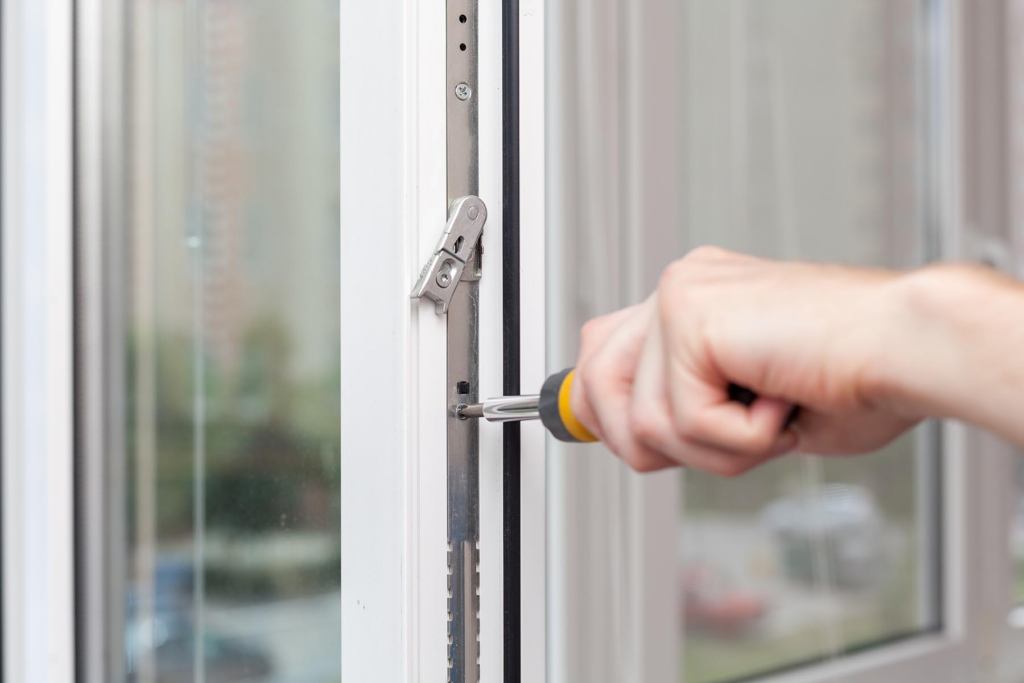
Residential Window Repair: A Comprehensive Guide
Windows are frequently called the eyes of a house; they offer light, ventilation, and visual appeal. Nevertheless, with you can try this out , wear and tear or unforeseen accidents can make windows less appealing and practical. This post delves into the world of residential window repair, detailing common issues, techniques for repair work, and when to think about replacement.
Common Types of Window Damage
Comprehending the types of damage that can occur is vital for house owners. Here are some typical concerns associated with residential windows:
| Type of Damage | Description |
|---|---|
| Cracked or Broken Glass | Frequently triggered by weather, accidents, or bad installation. |
| Misted or Clouded Window | Moisture in between double-glazed panes causing a foggy appearance. |
| Decomposing Frame | Wood frames prone to moisture damage or insect problem. |
| Drafts | Gaps in the seal around windows triggering air leaks. |
| Misaligned Windows | Windows that do not open or close properly due to structural concerns. |
| Degrading Caulk | Weather condition can cause caulking to break, allowing air and moisture in. |
When to Consider Repair vs. Replacement
Choosing whether to repair or replace a window can depend upon several elements:
- Age of the Window: Older windows may be more tough to repair due to out-of-date materials.
- Extent of Damage: If the frame is rotten, replacement might be more possible than repair work.
- Energy Efficiency: Older windows typically lack modern insulation, favoring replacement for energy cost savings.
- Cost Consideration: Sometimes repair expenses can approach the expense of replacement.
- Aesthetic Appeal: For homes going for aesthetic upgrades, a new window might be more suitable.
To assist homeowners make an informed decision, the following table describes the advantages and drawbacks of each alternative.
| Alternative | Advantages | Downsides |
|---|---|---|
| Repair | Cost-effective for minor concerns; retains original charm | May just use a short-lived fix |
| Replacement | Long-lasting service; enhances energy efficiency | Greater in advance costs; lengthy |
Actions for Common Window Repairs
Cracked or Broken Glass
Fixing split or broken glass typically includes the following actions:
- Safety First: Always wear protective equipment like gloves and goggles.
- Remove Damaged Glass: Carefully eliminate any shattered glass pieces.
- Clean the Frame: Ensure no debris remains in the sash.
- Step and Cut New Glass: Use a glass cutter for precise sizing.
- Fit Glass into Frame: Apply glazing putty, then push the new glass into position.
- Seal and Finish: Replace the points and smooth out the edges with extra putty.
Fogged Window Repair
Fogged windows typically require:
- Assessing the Seals: Check the seals on both sides of the unit.
- Defogging or Replacement: Use a desiccant material or, if seals are broken, replace the entire window unit.
- Re-Sealing: Apply brand-new sealant to prevent future wetness entry.
Repairing Drafty Windows
Breezy windows can typically be repaired through:
- Identify Gaps: Use a lit candle to discover air leakages.
- Apply Weatherstripping: Install adhesive or non-adhesive weather removing to affected areas.
- Re-Caulking: Remove old caulk and reapply to ensure a tight seal.
Fixing Misaligned Windows
Repairing misaligned windows might include:
- Identify the Cause: Look for loose screws or warped frames.
- Tighten up Hardware: Secure any loose screws or hinges.
- Change the Frame: Sometimes, realigning the frame can be accomplished by changing the stop and refitting the window.
Frequently Asked Questions about Residential Window Repair
1. How long does a normal window repair take?
Response: Most basic repair work can be finished within a couple of hours. Nevertheless, extensive repair work may take longer, depending upon the level and nature of the work required.
2. Can I repair my windows myself?
Answer: Many homeowners can successfully complete simple repairs, like caulking or small glass replacements. More complicated issues might require professional assistance.
3. How do I understand if I need to replace my windows?
Answer: If your windows are substantially harmed, drafty, or not energy-efficient, replacement might be the smarter choice.
4. What is the best material for window frames for durability?
Response: Vinyl and fiberglass are known for their durability and low maintenance, while wood provides timeless appeal however might require more maintenance.
5. Exist energy-efficient choices offered?
Response: Yes, many manufacturers provide energy-efficient windows with low-E glass, double-glazing, and correct insulation assists to minimize energy consumption.
Residential window repair is a vital element of home maintenance, offering both functional and visual benefits. House owners need to be watchful about indications of damage and understand when to attempt repairs versus when to pursue replacement. By knowing the typical kinds of damage, the approaches of repair, and when to employ professionals, homeowners can keep the appeal and effectiveness of their windows for many years to come. Maintenance, early detection, and prompt action will not just conserve cash in the long run but will likewise improve the comfort and energy effectiveness of the home.